30 Foods You're Storing Wrong (and How to Fix It Today)
Stop throwing away groceries! From tomatoes in the fridge to bread in plastic, you're probably storing your food wrong. Learn the exact fixes for 30 everyday items to extend their shelf life, save money, and reduce kitchen stress today.

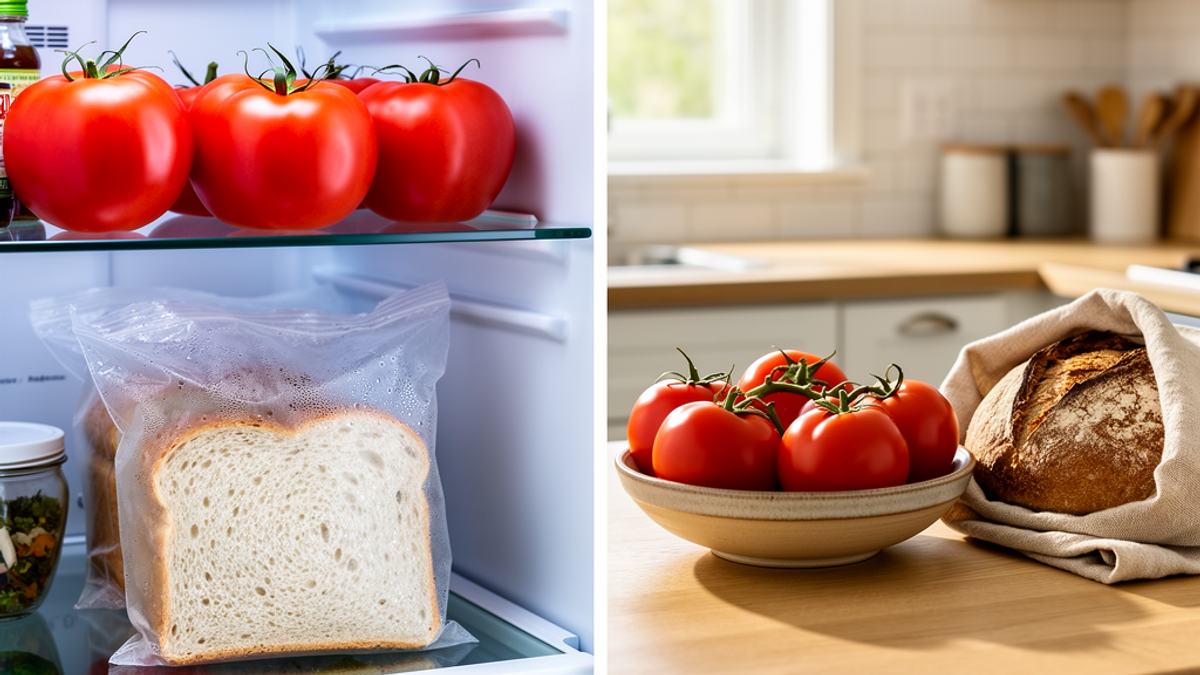
At Onyx Sound Lab, we talk a lot about finding harmony and reducing stress in your daily life. But let's be real: nothing ruins your inner peace quite like opening the fridge to find that the $50 Costco produce haul you bought three days ago has already turned into a science experiment.
The average American family throws away roughly $1,500 worth of spoiled food every single year. That's a mortgage payment. That's a vacation. That's a whole lot of DoorDash orders you could have treated yourself to.
If you're tired of treating your garbage can better than your stomach, it's time to rethink your kitchen habits. Here are 30 foods you're probably storing wrong, the exact methods to fix them, and how long they'll actually last when treated right.
The Produce Drama: Counter vs. Crisper
1. Tomatoes
The Mistake: Tossing them in the fridge. The Fix: The fridge is a tomato's worst enemy. Temperatures below 50 degrees Fahrenheit break down their cell walls, turning them mealy and destroying their flavor. Keep them on the counter, stem-side down, away from direct sunlight. Shelf Life: 5-7 days.
2. Bananas
The Mistake: Leaving them in a bunch in a fruit bowl. The Fix: Bananas release ethylene gas from their stems, which causes them (and everything around them) to ripen rapidly. Separate them from the bunch and wrap each stem tightly in plastic wrap or aluminum foil. Shelf Life: 5-7 days on the counter.
3. Apples
The Mistake: Displaying them in a pretty bowl on the counter. The Fix: Apples actually love the cold. Unless you're eating them in the next two days, put them in your fridge's crisper drawer. Keep them away from other veggies, though—they're heavy ethylene gas producers. Shelf Life: 4-6 weeks in the fridge.
4. Avocados
The Mistake: Putting rock-hard avocados in the fridge, or leaving ripe ones on the counter. The Fix: Leave them on the counter until they yield to gentle pressure. Once they're perfectly ripe, then move them to the fridge to hit the pause button on the ripening process. Shelf Life: 3-5 days in the fridge once ripe.
5. Berries
The Mistake: Washing them the second you get home from Target. The Fix: Moisture is mold's best friend. Do not wash berries until you are literally about to eat them. Store them in the fridge in a container lined with a dry paper towel to absorb excess moisture. Shelf Life: Up to 1 week.
6. Citrus (Lemons, Limes, Oranges)
The Mistake: Leaving them loose on the counter. The Fix: They look great in a bowl, but the dry air in your house will turn them into golf balls in a week. Store them loose in the crisper drawer of your fridge. Shelf Life: 3-4 weeks.
7. Cucumbers
The Mistake: Shoving them into the bottom crisper drawer. The Fix: Cucumbers are prone to "chilling injury" if they get too cold, which makes them mushy and pitted. Store them near the front of the fridge or on the top shelf where it's slightly warmer. Shelf Life: About 1 week.
8. Melons (Whole)
The Mistake: Putting a whole cantaloupe or watermelon in the fridge. The Fix: Keep whole melons on the counter. The chill actually dulls their antioxidants. Once you cut into them, however, wrap the exposed flesh and put them in the fridge. Shelf Life: 1-2 weeks whole; 3-4 days cut.
The Root Vegetable Rivalry
9. Potatoes
The Mistake: Storing them in the fridge or next to onions. The Fix: The fridge turns potato starch into sugar, making them weirdly sweet and gritty. Onions emit moisture and gas that cause potatoes to sprout faster. Keep potatoes in a breathable paper bag or cardboard box in a cool, dark pantry. Shelf Life: 1-2 months.
10. Onions
The Mistake: Leaving them in the plastic grocery bag. The Fix: Onions need air circulation. Take them out of the plastic and store them in a mesh bag or wire basket in a cool, dark place—far, far away from your potatoes. Shelf Life: 1-2 months.
11. Garlic
The Mistake: Putting it in the fridge. The Fix: The humidity in the fridge causes garlic to sprout green shoots and grow mold. Keep it on the counter or in the pantry in an open basket. Shelf Life: 1-2 months for whole heads.
12. Ginger
The Mistake: Leaving it on the counter until it shrivels into a wooden stick. The Fix: Toss the whole, unpeeled ginger root directly into a freezer bag and keep it in the freezer. When you need it, just grate it frozen—it's actually much easier to grate this way! Shelf Life: Up to 6 months.
13. Carrots
The Mistake: Leaving them in the sweaty plastic produce bag. The Fix: Carrots dry out quickly. Cut off the green tops (which suck moisture from the root), and submerge the carrots entirely in a container of water in the fridge. Change the water every few days. Shelf Life: 3-4 weeks.
The Herb & Veggie Spa Treatment
14. Asparagus
The Mistake: Leaving them loose in the fridge drawer. The Fix: Treat them like a bouquet of flowers. Trim an inch off the bottoms, stand them upright in a glass with an inch of water, and loosely cover the tops with a plastic bag in the fridge. Shelf Life: 10-14 days.
15. Cilantro & Parsley
The Mistake: Letting them turn to green slime in a plastic bag. The Fix: Treat them exactly like asparagus: trim the stems, put them in a jar of water, cover loosely with a bag, and keep them in the fridge. Shelf Life: 2-3 weeks.
16. Basil
The Mistake: Putting it in the fridge with the other herbs. The Fix: Basil hates the cold—the fridge will turn its leaves black in a day. Trim the stems and keep it in a glass of water on the kitchen counter, out of direct sunlight. Shelf Life: 1-2 weeks.
17. Celery
The Mistake: Keeping it in the plastic sleeve it came in. The Fix: Plastic traps the ethylene gas celery produces, causing it to go limp. Wrap the entire bunch tightly in aluminum foil and put it in the crisper. It lets the gas escape while keeping moisture in. Shelf Life: 3-4 weeks.
18. Mushrooms
The Mistake: Keeping them in the plastic-wrapped cardboard till. The Fix: Mushrooms are sponges; they trap moisture and get slimy fast. Transfer them to a brown paper bag in the main compartment of your fridge. The paper absorbs excess moisture. Shelf Life: 7-10 days.
The Pantry & Dry Goods Dilemmas
19. Bread
The Mistake: Keeping it in the plastic bag on the counter. The Fix: Plastic traps moisture and breeds mold. If you'll eat it in 2-3 days, a bread box is best. Otherwise, slice it and put it in the freezer. Just toast a slice whenever you need it. Never put bread in the fridge—it dries it out six times faster. Shelf Life: 3-6 months in the freezer.
20. Coffee Beans
The Mistake: Storing them in the freezer. The Fix: Taking a $15 bag of fresh coffee in and out of the freezer introduces condensation, which ruins the flavor oils. Keep beans in an opaque, airtight container in the pantry at room temperature. Shelf Life: 1-2 months.
21. Nuts (Walnuts, Almonds, Pecans)
The Mistake: Storing them in the pantry for months. The Fix: Nuts have a high oil content, meaning they go rancid quickly at room temperature. Store them in an airtight container in the fridge or freezer. Shelf Life: 6 months in the fridge; 1 year in the freezer.
22. Flour
The Mistake: Leaving it in the paper sack in a warm pantry. The Fix: Flour attracts pantry weevils and can go rancid. Transfer it to an airtight container. If you buy those massive bags from Costco, keep the excess in a Home Depot bucket with a gamma seal lid, or store it in the freezer. Shelf Life: 1 year in an airtight container.
23. Brown Sugar
The Mistake: Rolling down the plastic bag and hoping for the best. The Fix: It will turn into a literal brick. Store it in an airtight container and throw in a terracotta sugar saver disk (or just a large marshmallow or a slice of bread) to keep it soft. Shelf Life: Indefinitely.
24. Honey
The Mistake: Putting it in the fridge to keep ants away. The Fix: Cold temperatures cause honey to crystallize and harden. Keep it in the pantry. Honey is naturally antimicrobial and literally never goes bad. Shelf Life: Forever.
25. Olive Oil
The Mistake: Keeping the bottle right next to the stove for easy access. The Fix: Heat and light are olive oil's kryptonite; they make it go rancid fast. Keep it in a cool, dark cabinet away from the oven. Shelf Life: 1 year.
The Fridge Misunderstandings
26. Natural Peanut Butter
The Mistake: Storing it in the pantry like regular Jif or Skippy. The Fix: Natural peanut butter (just peanuts and salt) lacks the stabilizers of processed brands. The oil will separate and go rancid at room temperature. Stir it well when you open it, then keep it in the fridge. Shelf Life: 6 months.
27. Maple Syrup
The Mistake: Leaving the real stuff in the pantry. The Fix: Fake pancake syrup can live in the pantry, but 100% pure maple syrup can actually grow mold if left at room temperature after opening. Always refrigerate it. Shelf Life: 1 year in the fridge.
28. Cheese
The Mistake: Wrapping it tightly in plastic wrap. The Fix: Cheese is a living thing; it needs to breathe. Plastic suffocates it and makes it taste like ammonia. Wrap your blocks of cheddar or gouda in parchment paper or specialty cheese paper, then place them loosely in a plastic bag. Shelf Life: 3-4 weeks.
29. Soy Sauce
The Mistake: Storing it in the pantry alongside the vinegar. The Fix: While it won't necessarily spoil in the pantry due to its high sodium content, soy sauce loses its complex flavor and oxidizes quickly at room temp. Keep it in the fridge to maintain that sharp, umami punch. Shelf Life: Up to 2 years in the fridge.
30. Butter
The Mistake: Keeping it all in the fridge, making it impossible to spread. The Fix: You can absolutely keep a stick of salted butter on the counter in a covered butter dish or butter bell for easy spreading—as long as your kitchen stays under 70 degrees Fahrenheit. Keep the rest of your stash in the fridge or freezer. Shelf Life: 1-2 weeks on the counter; 5 months in the fridge.
Your Actionable Takeaway for Today
Knowledge is power, but action is what actually saves you money. Don't just read this and wait until your next grocery run.
Do this right now: Get up, walk to your kitchen, and fix three things. Take your tomatoes out of the fridge. Separate your bananas and wrap the stems. Move your nuts to the freezer.
It takes less than five minutes, costs you exactly zero dollars, and you'll instantly stop throwing your hard-earned cash in the trash. You can literally Venmo or Zelle yourself the savings. Now that's what we call everyday harmony.

SunMaster USA
Editorial Team
The SunMaster USA team finds, tests, and shares the smartest lifehacks, money moves, and home improvement tips that make everyday life easier for American families.