Don't Get Got: A Practical Guide to Dodging Online Scams and Protecting Your Wallet
Online scams are getting smarter, but you can be smarter. From fake Zelle alerts to Facebook Marketplace hustles, learn how to spot the red flags, protect your bank account, and keep your peace of mind intact with this actionable guide.

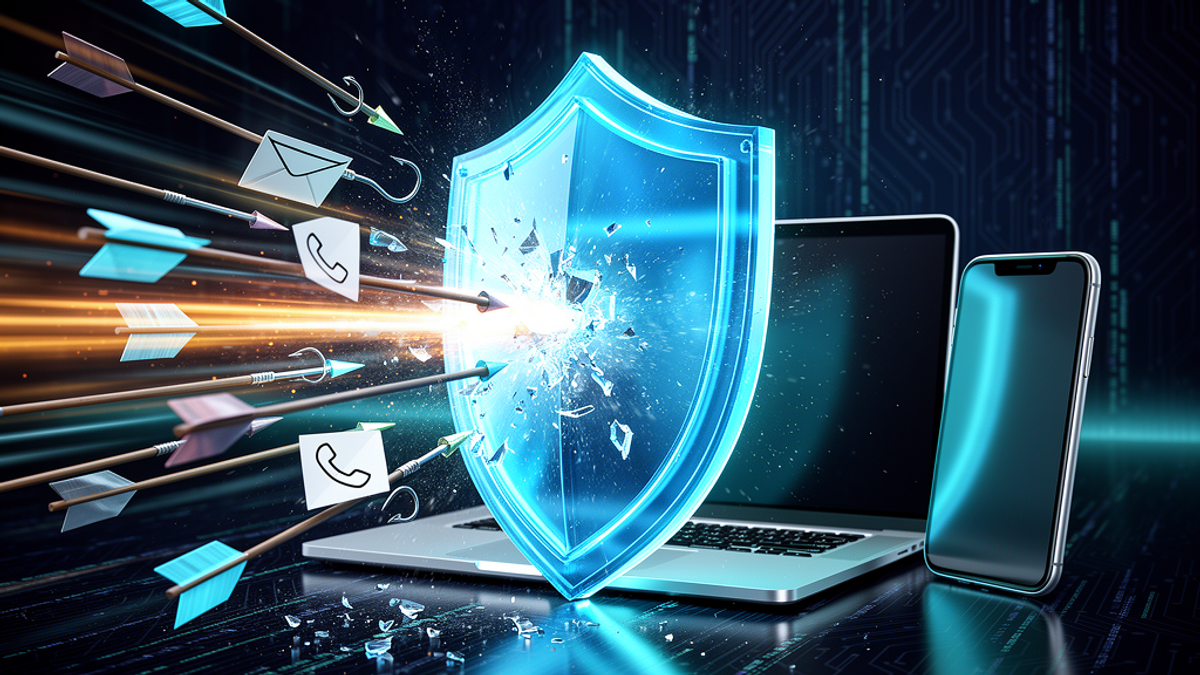
Here at Onyx Sound Lab, we spend a lot of time talking about frequency, sound wellness, and protecting your inner peace. We curate soundscapes to help you regulate your nervous system and find calm in a chaotic world. But let's be real for a second: absolutely nothing shatters your zen and spikes your cortisol quite like looking at your bank app and realizing you've been scammed.
Financial stress is a massive disruptor to your mental well-being. It could be a beautiful, sunny 72 degrees Fahrenheit day outside, but your blood will absolutely run cold the second you get a text asking if you authorized a $1,200 transfer to someone you don't know.
Today, we're stepping slightly outside the sound bath to talk about a different kind of protection. Grab a cup of coffee, pull up a chair, and let's talk like friends about something annoying but entirely necessary: online scams.
The days of the "Nigerian Prince" emails with terrible spelling are long gone. Today's scammers are sophisticated, highly organized, and running multi-million dollar operations. They aren't just targeting the elderly; they are targeting busy, distracted Americans who are just trying to get through their to-do lists.
Let's break down the most common scams happening right now, how to spot them from a mile away, and the exact steps you can take today to protect your peace and your wallet.
The "Big Four" Scams Targeting Americans Right Now
Scammers rely on a numbers game, but they tend to stick to a few highly effective scripts. Here are the four you are most likely to encounter this week.
1. The Zelle and Venmo "Fraud Alert" Mirage
This one is incredibly common and terrifyingly effective. You're sitting on your couch when you get a text message that looks exactly like an automated alert from your bank: "Fraud Alert: Did you authorize a Zelle payment of $850.00 to John Smith? Reply YES or NO."
Naturally, you panic and reply "NO."
Less than a minute later, your phone rings. The caller ID might even say "Bank of America" or "Chase." A very professional-sounding person tells you that your account has been compromised and they need to help you "reverse" the fraudulent transfer. They will walk you through a series of steps on your Zelle or Venmo app to "send the money back to yourself."
The Reality: There was no initial fraud. The text was fake, the caller ID was spoofed, and the "reversal" steps they are walking you through are actually you initiating a real, irreversible transfer of $850 straight into their pockets.
2. The Facebook Marketplace Overpayment Hustle
You're just trying to clean out your garage and sell that old treadmill for $150 on Facebook Marketplace. A buyer messages you immediately. They are very eager, say they are out of town, and want to pay you via Zelle or Venmo to hold it.
They ask for your email address to send the payment. A minute later, you get an email (supposedly from Zelle) saying the buyer sent you $450 instead of $150, but because you don't have a "Business Account," the funds are locked. The "buyer" then messages you, acting annoyed but helpful: "Hey, I had to send an extra $300 to upgrade your account to a business account so the payment goes through. Can you just Venmo me back the $300 difference?"
The Reality: The email from "Zelle" is totally fake—the scammer mocked it up in Photoshop. They never sent you a dime. If you "refund" them the $300, you are sending your own hard-earned money to a thief.
3. The Fake IRS or Government Shakedown
It's tax season, or maybe just a random Tuesday, and you get a very aggressive phone call. The person claims to be an agent with the IRS, the Social Security Administration, or local law enforcement. They tell you that you owe back taxes or have an outstanding warrant, and that local police are "about 5 miles away" coming to arrest you unless you pay your fines immediately.
Here is where it gets ridiculous (but people panic and fall for it): they tell you the only way to pay the fine and stop the arrest is to drive to your local grocery store and buy $2,000 worth of Target, Walmart, or Home Depot gift cards, then read the numbers off the back over the phone.
The Reality: The IRS will never call you demanding immediate payment, and the United States government absolutely does not accept Target gift cards as legal tender.
4. The Everyday Brand Phishing Receipt
You check your email and see a receipt for a $45 DoorDash order of sushi in a city you don't live in. Or maybe it's an order confirmation from Costco for a $1,200 OLED TV.
You immediately think, "I didn't order this!" Luckily, right there in the email, there's a big helpful button that says: "Didn't make this purchase? Click here to cancel your order."
The Reality: The receipt is fake. When you click that link, it takes you to a fake login page that looks exactly like Costco or DoorDash. When you type in your username and password to "cancel" the order, you are actually handing your login credentials directly to the scammer.
Red Flags: How to Spot a Scam Before It Happens
Scammers are chameleons, constantly changing their stories. But while the stories change, the underlying psychology stays exactly the same. If you can recognize the psychological tactics, you can dodge the scam. Look out for these three massive red flags:
1. Manufactured Urgency
Scammers know that if you have time to think, you won't fall for their trick. They need you operating in a state of high cortisol and panic. Every scam involves a ticking clock: The transfer is happening NOW. The police are on their way NOW. Your account will be locked NOW. If someone is rushing you, take a deep breath. That rush is a massive red flag.
2. Unorthodox Payment Methods
If anyone—whether it's a "bank employee," a "government agent," or a "buyer" on Facebook—asks you to pay them using gift cards, cryptocurrency, or wire transfers, it is a scam 100% of the time. Legitimate businesses and government agencies process payments through standard, secure portals.
3. The "Keep It a Secret" Rule
If the person on the phone tells you not to tell your spouse, not to put them on hold, or not to talk to the bank teller while you are withdrawing money, they are isolating you. Isolation is a key tactic of fraud.
Your Action Plan: Steps You Can Take Today
Alright, let's get practical. You don't need to be a cybersecurity expert to protect yourself. By taking a few simple steps today, you can build a fortress around your finances and save yourself thousands of dollars down the line.
Step 1: Freeze Your Credit (Do This Today)
If you only take one piece of advice from this entire article, make it this one. Freezing your credit is the single most effective way to prevent identity theft, and it is 100% free by law in the US.
When your credit is frozen, no one (not even you) can open a new credit card, take out a mortgage, or get an auto loan in your name.
You need to go to the websites of the three major credit bureaus: Equifax, Experian, and TransUnion. Create an account and click "Freeze My Credit." It takes about 15 minutes total. If you ever need to apply for a loan or a new credit card, you simply log back in, "thaw" it for 24 hours, and it freezes right back up. This simple 15-minute task can literally save you $10,000+ in fraudulent debt.
Step 2: The "Hang Up and Call Back" Rule
Make this a non-negotiable rule in your life: You will never give sensitive information or authorize a transaction to someone who called you.
If your "bank" calls you about a fraud alert, say: "Thank you for letting me know. I'm going to hang up and call the number on the back of my debit card to resolve this."
If it's really your bank, they will encourage you to do this. If it's a scammer, they will panic, get aggressive, and tell you that if you hang up, the money will be lost forever. Hang up anyway. Pull your card out of your wallet, dial the 1-800 number on the back, and ask the representative if there is an issue with your account.
Step 3: Turn on Multi-Factor Authentication (MFA)
Go into the settings of your bank app, your email, and your social media accounts, and turn on Multi-Factor Authentication (sometimes called Two-Step Verification). This means that even if a scammer manages to steal your password, they still can't log in unless they also have access to the physical text message or authenticator app code sent to your phone.
Step 4: Stop Trusting Caller ID
Caller ID is easily manipulated through a process called "spoofing." A scammer sitting in a basement halfway across the world can make your phone screen display "Internal Revenue Service," "Wells Fargo," or even your local police department. Treat Caller ID as a suggestion, not a fact.
Step 5: Hover Before You Click
When you get an email about a fake DoorDash order or a suspended streaming account, don't click the link. Instead, look at the actual sender address. The sender name might say "Netflix Support," but if you click on the name to reveal the actual email address, it will say something wildly incorrect like `support-ticket-8472@yahoo.com`. Legitimate companies email you from their official domains.
Damage Control: What to Do If You've Been Targeted
First of all, take a deep breath. Scammers are professional manipulators. Doctors, lawyers, and tech engineers fall for these scams every single day. There is absolutely no shame in being tricked. If you realize you've been scammed, here is your immediate recovery checklist:
- Call Your Bank Immediately: Call the number on the back of your card. Tell them you suspect fraud. They can freeze your accounts, cancel compromised debit cards, and sometimes (though not always with Zelle/Venmo) stop a pending transfer.
- Change Your Passwords: If you clicked a sketchy link and entered your login info, immediately go to that website (by typing the address into your browser directly, not through the email link) and change your password. If you use that same password anywhere else, change it there too.
- Report It: Go to ReportFraud.ftc.gov. The Federal Trade Commission uses these reports to build cases against massive scam rings. You should also report the fraud to the platform where it happened (like Facebook or Venmo).
- Forgive Yourself: The emotional toll of being scammed is often worse than the financial toll. Acknowledge that you were targeted by a professional criminal, learn from the experience, and give yourself grace.
The Final Takeaway
Protecting your peace of mind isn't just about meditation, sound frequencies, and deep breathing—it's about creating secure boundaries in the digital world, too.
Your actionable takeaway for today: Pick up your phone right now, take 15 minutes, and freeze your credit at all three bureaus. It is the highest-ROI task you can do today for your financial security.
Stay sharp, trust your gut, and remember: if it feels urgent, weird, or too good to be true, it probably is. Keep your money in your wallet, and keep your peace of mind intact.

SunMaster USA
Editorial Team
The SunMaster USA team finds, tests, and shares the smartest lifehacks, money moves, and home improvement tips that make everyday life easier for American families.