Gut Health for Beginners: What to Eat for Better Digestion
Tired of feeling bloated? Learn the basics of gut health, from probiotics to prebiotic fibers. Plus, get a practical 7-day meal plan to reset your digestion, boost your mood, and save money on your next grocery run.

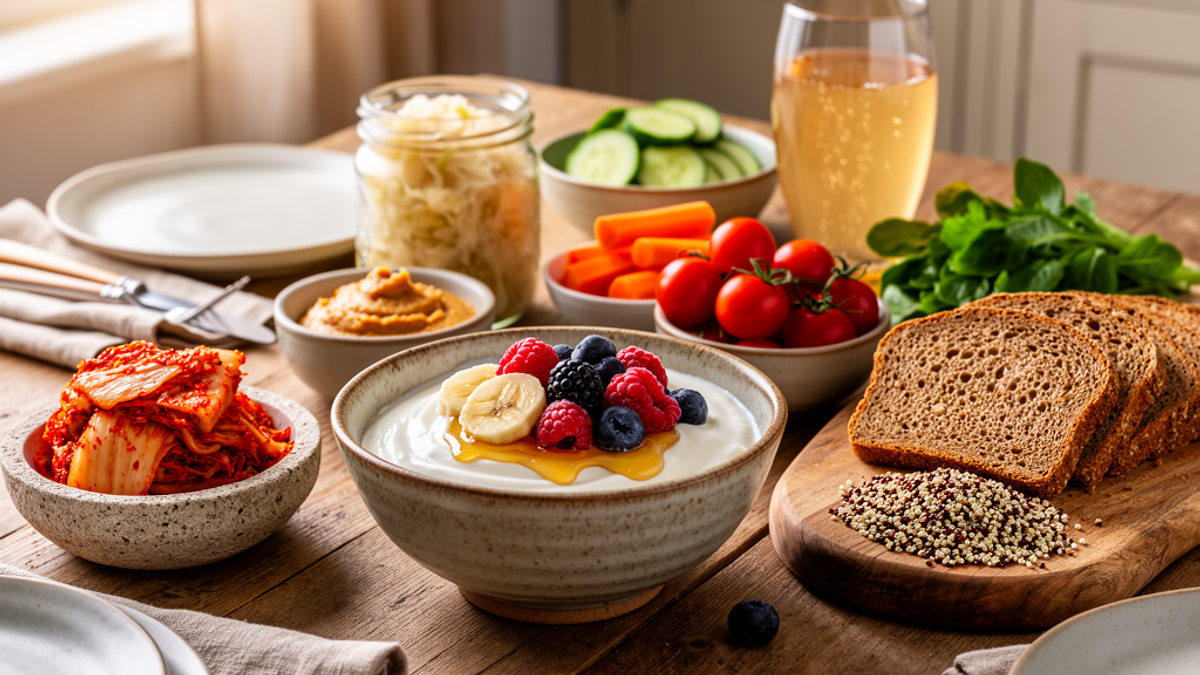
We have all been there. You are lying on the couch after a $35 late-night DoorDash binge, feeling like a fully inflated balloon, wondering why your stomach is suddenly waging war against you. Or maybe you just feel sluggish, foggy-headed, and constantly tired, no matter how much coffee you drink.
Let's sit down and have a real talk over a cup of coffee (or maybe a kombucha). The secret to fixing that sluggishness and bloating isn't some magical detox tea or a crazy juice cleanse. It all comes down to your gut health.
Your gut is essentially your body's second brain. It houses trillions of bacteria—collectively known as your microbiome—that dictate everything from how you digest food to how your immune system functions, and even how you manage stress. Since you are hanging out with us at Onyx Sound Lab, you probably already know that everything in the body is connected through frequency and vibration. When your gut is out of tune, your whole body feels off-key.
If you are ready to get your digestion back on track, here is the ultimate beginner's guide to what you should be eating, what you should be skipping, and a totally doable 7-day meal plan to reset your system.
The Microbiome 101: Probiotics vs. Prebiotics
Before we hit the grocery aisles, let's get the terminology straight. You hear the words "probiotic" and "prebiotic" thrown around a lot, usually by influencers trying to sell you a $60 supplement. But you don't need expensive pills to fix your gut. You just need real food.
Think of your gut like a garden.
Probiotics are the seeds. They are the live, beneficial bacteria that you want to plant in your digestive tract to keep things running smoothly.
Prebiotics are the fertilizer. They are specific types of dietary fiber that your body can't digest, but your good gut bacteria absolutely love to eat. If you plant the seeds but don't give them fertilizer, they won't grow. You need both.
The Good Guys: Probiotic Foods to Stock Up On
If you want to add more good bacteria to your gut, fermented foods are your best friend. You don't need to shop at a high-end organic boutique to find these; the standard grocery aisles at Walmart or Target have exactly what you need.
1. Plain Greek Yogurt
Greek yogurt is packed with live cultures. The trick is to avoid the ones loaded with 20 grams of added sugar (sugar feeds the bad bacteria). Instead of buying those tiny individual cups, grab a massive tub of plain, whole-milk Greek yogurt at Costco. It usually costs around $6.99 for a giant container. You can easily save $20 to $30 a month by portioning it out yourself. Add your own fresh fruit or a drizzle of honey for sweetness.
2. Kimchi
This spicy, tangy Korean staple is made of fermented cabbage and radishes. It is an absolute powerhouse for your digestion. You can eat it straight out of the jar, mix it into scrambled eggs, or throw it on top of a rice bowl.
3. Sauerkraut
Look for raw, unpasteurized sauerkraut in the refrigerated section (the canned stuff on the dry shelves has been heated, which kills the good bacteria). A spoonful a day is all you need. Throw it on a turkey sandwich or a salad.
4. Kombucha
This fermented tea is bubbly, slightly sour, and incredibly refreshing. It's a great substitute if you are trying to kick a soda habit. If you and your roommate want to split a bulk box of kombucha, just shoot them a request on Venmo or Zelle—it's way cheaper to buy a case of 6 or 12 than to buy them individually at the gas station.
The Fuel: Prebiotic Fiber Sources
Now that you have the good bugs in your system, you have to feed them. Prebiotic fibers are tough, resilient carbohydrates that make it all the way down to your lower intestine intact.
1. Garlic and Onions
These are the unsung heroes of gut health. They contain inulin, a type of prebiotic fiber that feeds your microbiome. Plus, they make everything taste better. Pro-tip: Hit up Home Depot this weekend, spend about $15 on a ceramic pot and some potting soil, and grow your own green onions and garlic on your patio or windowsill. It takes almost zero effort, and you'll easily save $10 to $15 a month on fresh aromatics.
2. Oats
Old-fashioned rolled oats are cheap, filling, and packed with beta-glucan fiber. A massive canister at Target will run you about $4 and last for weeks.
3. Slightly Green Bananas
When bananas are slightly under-ripe (still a little green at the stem), they are loaded with "resistant starch." This starch resists normal digestion and ferments in your large intestine, creating a feast for your gut flora.
4. Apples
Pectin, a fiber found in apples, increases butyrate, a short-chain fatty acid that feeds the beneficial bacteria and reduces inflammation in the gut.
The Troublemakers: Foods That Cause Gut Inflammation
We can't talk about healing the gut without talking about what's damaging it. You don't have to be perfect—if you want to split a pizza with friends on a Friday night, do it. But if your daily routine consists of highly processed foods, your gut lining is taking a beating.
1. Excess Added Sugar
Refined sugar is like throwing gasoline on a fire. It feeds the "bad" bacteria and yeast in your gut, allowing them to overpower the good guys. This leads to intense sugar cravings, bloating, and systemic inflammation.
2. Highly Processed Foods
If a food comes in a crinkly plastic wrapper and has a shelf life of five years, it's probably full of emulsifiers, artificial sweeteners, and preservatives. These chemicals can literally erode the protective mucous lining of your stomach and intestines.
3. Industrial Seed Oils
Oils like soybean, corn, and cottonseed oil are heavily processed and highly inflammatory when consumed in large amounts. Try swapping them out for extra virgin olive oil or avocado oil when you cook at home.
The 7-Day Gut Reset Meal Plan
Ready to put this into practice? Here is a simple, affordable 7-day meal plan designed to soothe inflammation and flood your system with good bacteria and fiber.
Days 1-3: The Gentle Reset
Breakfast: 1/2 cup of rolled oats cooked in water or almond milk. Top with half an under-ripe banana, a handful of walnuts, and a dash of cinnamon. Lunch: A large mixed green salad with cucumbers, cherry tomatoes, and a half cup of chickpeas. Dress with olive oil and apple cider vinegar. Dinner: Sheet pan chicken and veggies. Toss chicken breast, broccoli florets, and sweet potato cubes in olive oil, garlic powder, and salt. Roast in the oven at 400°F for 25-30 minutes. Snack: A small bowl of plain Greek yogurt with a handful of blueberries.
Days 4-5: Introducing Ferments
Breakfast: Two scrambled eggs cooked with spinach and onions. Top with a generous spoonful of raw sauerkraut or kimchi. Lunch: Leftover chicken and sweet potatoes from dinner, served over a bed of arugula. Dinner: Baked salmon (rich in Omega-3s to fight inflammation) alongside asparagus and quinoa. Snack: Half an apple dipped in a tablespoon of almond butter.
Days 6-7: Full Microbiome Support
Breakfast: A smoothie made with half a green banana, a scoop of plain Greek yogurt, spinach, chia seeds, and water. Lunch: A "gut-healing bowl" featuring quinoa, roasted Brussels sprouts, sliced avocado, and a hefty scoop of kimchi. Drizzle with tahini. Dinner: A hearty turkey and vegetable chili loaded with kidney beans, crushed tomatoes, onions, and massive amounts of garlic. (Make a big batch so you have leftovers for the next week!) Snack: A glass of low-sugar kombucha.
Beyond the Plate: Stress, Sound, and Movement
Here is the kicker: you can eat all the kimchi and garlic in the world, but if your nervous system is constantly in a state of panic, your digestion will still suffer.
The gut and the brain are directly connected by the vagus nerve. When you are stressed out about work, bills, or life in general, your body enters "fight or flight" mode. Blood flow is diverted away from your digestive organs and sent to your muscles. Your digestion literally shuts down.
This is where sound wellness comes into play. Taking 10 to 15 minutes a day to listen to calming frequencies through Onyx Sound Lab can help shift your body from "fight or flight" (sympathetic nervous system) into "rest and digest" (parasympathetic nervous system). Pairing a solid diet with frequency therapy is the ultimate bio-hack for a happy gut.
Don't forget to move, either. A simple, brisk walk helps stimulate the muscles of your intestines, pushing food through your system. You don't need to run a marathon; just lace up your sneakers and walk 1 to 2 miles around your neighborhood after dinner.
Your Actionable Takeaway
Gut health doesn't have to be complicated or expensive. You don't need to overhaul your entire life by tomorrow morning.
Here is your specific step to take today: Go to your kitchen right now and drink a 12-ounce glass of water. Then, the next time you go to the grocery store, skip the highly processed snack aisle and buy just one fermented food—whether that's a tub of plain Greek yogurt from Costco or a jar of raw sauerkraut from Walmart. Commit to eating just a couple of spoonfuls of it every day this week.
Small, consistent habits are what build a resilient, healthy microbiome. Your gut—and your wallet—will thank you.

SunMaster USA
Editorial Team
The SunMaster USA team finds, tests, and shares the smartest lifehacks, money moves, and home improvement tips that make everyday life easier for American families.