How to Winterize Your Home on a Budget: A Step-by-Step Guide
Don't let winter drafts freeze your bank account. Learn how to winterize your American home for under $100 with easy, practical steps like weatherstripping, furnace prep, and pipe insulation. Keep the heat in and the cold out!

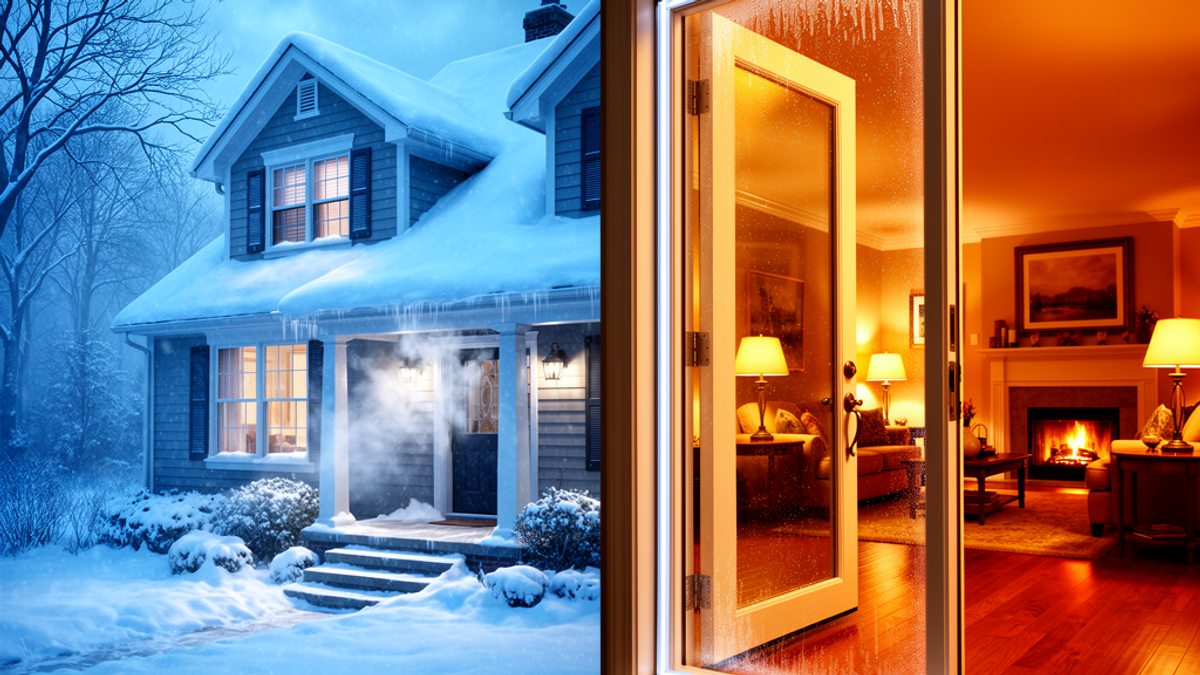
Hey there. If you’re reading this, the leaves have probably fallen, the days are getting shorter, and that familiar crispness is in the air. Winter is coming. And if you live anywhere north of Miami, you know exactly what that means: dropping temperatures, icy windshields, and heating bills that make you want to cry.
As a homeowner or renter in the US, winter can feel like a financial trap. You’re either freezing in your living room wearing three layers of fleece, or you’re cranking the thermostat and watching your hard-earned dollars evaporate. But here’s the good news: creating a warm, cozy, stress-free sanctuary doesn't require a second mortgage. In fact, you can winterize your entire home for under $100.
At Onyx Sound Lab, we talk a lot about creating environments that promote wellness, relaxation, and peace of mind. Your physical environment deeply impacts your mental wellbeing and sound wellness practices. Let's be honest—you can't reach a state of zen or enjoy a frequency therapy session when howling winter winds are rattling your windows and you're shivering on your meditation cushion. Acoustic comfort and thermal comfort go hand-in-hand. Sealing up those drafts doesn't just keep the heat in; it blocks out the harsh, stressful noises of the winter streets.
So, grab a coffee, and let’s walk through a practical, step-by-step guide to winterizing your home on a budget. No contractors, no expensive tools—just a quick trip to Home Depot or Walmart and a free Saturday afternoon.
Step 1: The Dollar Bill Test and Weatherstripping (Budget: $15)
Before you spend a dime, you need to find out where your home is bleeding heat. The biggest culprits are usually your exterior doors and windows.
Enter the "Dollar Bill Test." Take a crisp $1 bill, open your front door, place the bill across the weatherstripping, and close the door. Now, try to pull the bill out. If it slides out easily with no resistance, your door is leaking massive amounts of heat. Repeat this around the perimeter of your doors and older windows.
Once you’ve identified the weak spots, head to Target or Home Depot and pick up some self-adhesive foam weatherstripping. It usually costs about $5 to $8 a roll.
How to apply it:
- Clean the surface: Wipe down the door frame with rubbing alcohol and let it dry. If you stick weatherstripping to a dirty frame, it’ll fall off by Thanksgiving.
- Measure and cut: Cut the foam to match the length of the door frame.
- Peel and stick: Press it firmly into the frame where the door meets the jamb.
If you have a gap at the bottom of your door, grab a slide-on door sweep for about $10. This simple $15 investment can save you up to $150 a year in heating costs and significantly reduce ambient street noise.
Step 2: Shrink-Wrap Your Windows (Budget: $15)
Older homes and apartments are notorious for single-pane windows that practically invite the freezing cold inside. If replacing your windows isn't in the budget, window insulation film is your best friend.
You can buy a multi-window insulation kit from a brand like Duck or 3M at Walmart for about $15. It sounds a little crazy to wrap your windows in plastic, but it creates an airtight seal and an insulating pocket of air that acts like a second pane of glass.
How to install window film:
- Apply the double-sided tape (included in the kit) around the window frame.
- Cut the plastic film to size, leaving a little extra on the edges.
- Press the film onto the tape, pulling it as tight as you can.
- Take your hair dryer, set it to high heat, and blow it over the plastic. You’ll watch it shrink, tighten, and become completely transparent.
It’s deeply satisfying to watch the wrinkles disappear, and it completely stops those icy drafts from hitting the back of your neck while you're watching Netflix.
Step 3: Show Your Furnace Some Love (Budget: $15)
Your furnace is about to work overtime for the next four to five months. If it's choking on dust and pet hair, it has to work twice as hard to push warm air into your home, which drives up your gas or electric bill.
Go to the hardware store and buy a new furnace filter. You don't need the $30 ultra-premium hospital-grade filter unless you have severe allergies; a standard pleated filter for $10 to $15 works perfectly for most homes.
Furnace best practices:
- Change the filter every 90 days. Set a reminder on your phone right now.
- Check the arrows. Filters have arrows printed on the side indicating airflow direction. Make sure the arrow points toward the furnace.
- Unblock your vents. Walk through your house and make sure your couch or rug isn't covering a heating register.
Step 4: The Ceiling Fan Trick (Budget: $0)
Here is a completely free trick that feels like magic. Heat rises. In the winter, all the expensive warm air your furnace produces floats up to your ceiling, doing absolutely nothing to keep your toes warm.
Grab a step stool and look at the base of your ceiling fan. There is a small toggle switch. Flip it. This reverses the direction of the motor so the blades spin clockwise. Turn the fan on the lowest speed setting.
Instead of blowing air down and creating a cooling breeze, the clockwise rotation gently pulls cool air up and pushes the warm air down along the walls and into the living space. It makes the room feel warmer, allowing you to lower the thermostat a degree or two.
Step 5: Insulate Your Pipes (Budget: $10)
You do not want to be Venmo-ing an emergency plumber $800 on Christmas Eve because a pipe burst in your basement. When water freezes, it expands, and it will effortlessly crack copper or PVC pipes.
Focus on pipes in unheated areas: basements, crawl spaces, attics, and exterior walls. Go to Lowe's or Home Depot and buy foam pipe insulation. They look exactly like dark gray pool noodles with a slit down the side. They cost about $2 for a six-foot tube.
How to protect your plumbing:
- Simply slip the foam tubes over your exposed pipes.
- Use duct tape or zip ties to secure them every foot or so.
- Crucial step: Disconnect your outdoor garden hoses! If you leave a hose attached, water can freeze inside it, travel back into the house, and burst the spigot. Buy a $3 styrofoam faucet cover to protect the outdoor spigot.
Step 6: Tame Your Water Heater (Budget: $20)
Your water heater accounts for about 18% of your home's energy use. Most manufacturers set the default temperature to 140°F, which is dangerously hot (scalding hazard) and completely unnecessary.
Turn the dial down to 120°F. You will still have plenty of hot water for your showers, but you'll save about $40 to $60 a year in standby heat loss.
If your water heater is located in a cold garage or basement, and it's an older model (warm to the touch), wrap it in an insulating blanket. You can pick up a water heater insulation kit for about $20. Just be careful not to cover the thermostat or the burner compartment if it’s a gas heater.
Step 7: The Budget Emergency Kit (Budget: $25)
Winter storms are unpredictable. Whether it's a blizzard in the Northeast or an unexpected freeze in Texas, the power grid can and does go down. When the roads are iced over, DoorDash isn't coming to save you, and you can't rely on Zelle to buy firewood from a neighbor if the cell towers lose power.
You need a basic emergency kit, and you can build one on the cheap on your next Costco or Walmart run.
Your $25 Winter Survival Stash:
- Water: Grab a 40-pack of bottled water ($5).
- Lighting: Two LED flashlights and an extra pack of AA batteries ($10). Candles are great for ambiance, but flashlights are safer.
- Warmth: Dig out your heaviest blankets and sleeping bags and put them in an easily accessible closet. (Free!)
- Food: Keep a few days' worth of non-perishable food that doesn't require cooking—peanut butter, crackers, canned beans, protein bars ($10).
If you live 10 or 15 miles out of town, keep a bag of cheap kitty litter in your car trunk. If your tires get stuck in the snow or ice, throwing kitty litter under the tires gives you instant traction.
Step 8: Thermostat Mind Games
Finally, let's talk about daily habits. The Department of Energy recommends setting your thermostat to 68°F while you're awake and dropping it to 60°F-62°F while you're asleep or away at work.
For every degree you lower your thermostat over an 8-hour period, you save about 1% on your heating bill.
If 68°F feels a little chilly, don't immediately run to the dial. Put on a comfortable hoodie, wear some thick wool socks, and utilize throw blankets. Embrace the cozy, hibernation vibe of the season. At Onyx Sound Lab, we love pairing a cool room with a heavy, weighted blanket—it actually promotes deeper, more restorative sleep and helps calm the nervous system.
The Final Tally
Let’s review our budget:
- Weatherstripping: $15
- Window Film Kit: $15
- Furnace Filter: $15
- Pipe Insulation & Spigot Cover: $10
- Water Heater Blanket: $20
- Emergency Kit Basics: $25
- Total: $100
For exactly one hundred dollars, you've sealed your home against freezing drafts, protected your plumbing from catastrophic failure, optimized your heating system, and prepared for power outages.
Actionable Takeaway: Don't wait for the first snowstorm to hit. This weekend, take the "Dollar Bill Test" on your front and back doors. Make a quick list of what you need, run to the hardware store, and spend two hours winterizing your space. Your wallet, your pipes, and your peace of mind will thank you.

SunMaster USA
Editorial Team
The SunMaster USA team finds, tests, and shares the smartest lifehacks, money moves, and home improvement tips that make everyday life easier for American families.