Laundry Hacks That Save Time, Money, and Your Clothes
Stop throwing money down the drain. From the $200 cold water rule to the ice cube wrinkle trick, these practical laundry hacks will save you time, protect your favorite clothes, and keep more cash in your wallet.

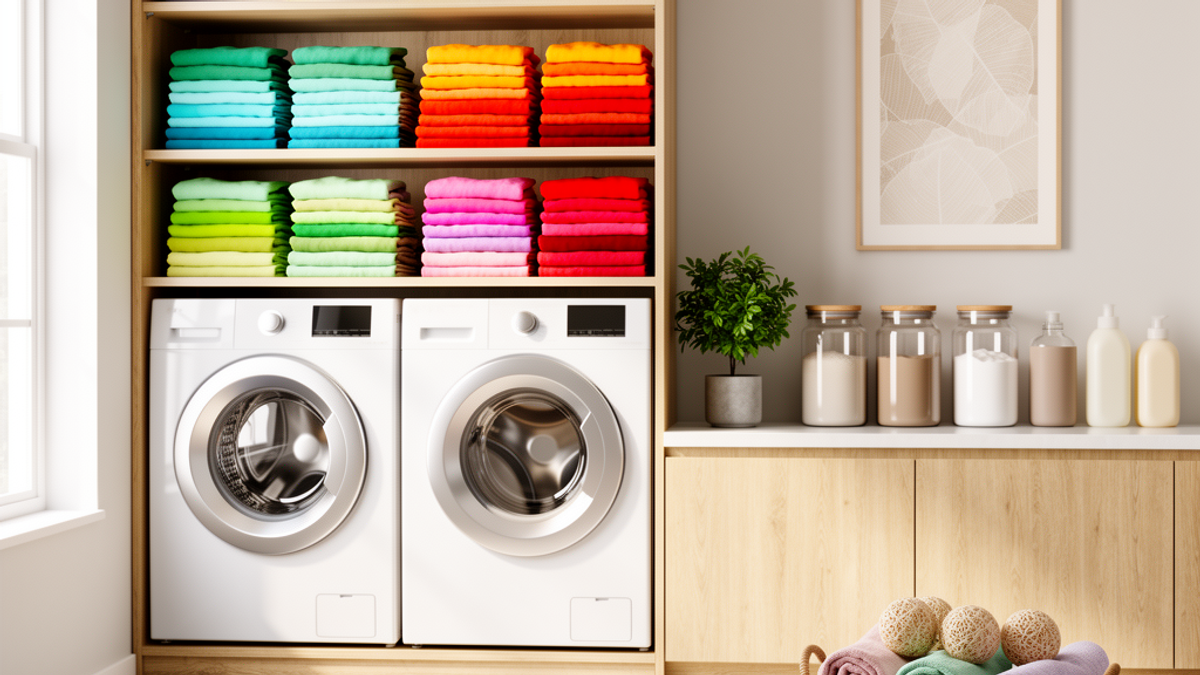
Let's be honest: doing laundry is nobody's favorite chore. It's that looming, never-ending mountain of fabric that stares at you from the corner of your bedroom, silently judging you until you finally cave on a Sunday afternoon. But while we all accept laundry as a necessary evil of adulting, most of us are completely ignoring the fact that we are doing it wrong—and it is costing us serious time, money, and ruined clothes.
Think about it. You wouldn't just Venmo your utility company an extra $200 at the end of the year just for fun, right? You wouldn't buy a brand-new $60 sweater just to intentionally shrink it to toddler size. Yet, through sheer habit, we waste massive amounts of money and energy in the laundry room.
Whether you are hauling your hampers five miles down the road to the local laundromat or you have a high-tech washer-dryer combo sitting in your hallway, these practical, down-to-earth laundry hacks are going to change the way you wash. It's practically like having someone Zelle you cash just for doing your chores.
Here is your ultimate guide to the washing and drying tricks that will save your time, your wallet, and your wardrobe.
The $200 Cold Water Revolution
If you take absolutely nothing else away from this article, let it be this: stop washing your clothes in hot water.
For generations, we were taught that hot water equals clean clothes. And maybe back in the day, when detergents were basically just harsh lye soaps, that was true. But today? It is an incredibly expensive myth. Heating the water accounts for roughly 90% of the energy your washing machine uses during a load. By simply turning that dial from 'Hot' or 'Warm' to 'Cold,' the average American household can save up to $200 a year on their energy bills.
But what about getting the clothes clean? Modern detergents—especially the big name brands you grab at Walmart or Costco—are chemically engineered with specific enzymes that are designed to activate and thrive in cold water. In fact, hot water can actually 'cook' certain protein-based stains (like blood or sweat) right into the fibers of your clothes, making them impossible to remove.
Cold water also prevents colors from bleeding and stops fabrics from shrinking. So, by making this one tiny switch, you are saving $200 a year, keeping your favorite vintage band tee from fading, and helping the environment. It is the ultimate no-brainer.
Stop Overdosing on Detergent
Take a look at the plastic measuring cup that comes with your liquid laundry detergent. Notice those little lines? Notice how hard they are to read? That is not an accident.
Detergent companies want you to fill that cup all the way to the brim so you run out faster and have to buy more. But using too much detergent is actually terrible for your clothes and your machine. When you use excess soap, your machine cannot rinse it all out. This leaves a sticky, invisible residue on your clothes that traps dirt, dead skin cells, and bacteria. If your towels are starting to smell a little funky or feel stiff, detergent buildup is likely the culprit.
So, how much should you actually use? For a normal-sized load, you only need about two tablespoons of liquid detergent. Yes, you read that right. Two tablespoons. That massive, heavy orange jug you hauled out of Home Depot or Costco should be lasting you months, if not a full year. Save your money and stop over-soaping.
The Tennis Ball Trick for Faster Drying
Dryer sheets and liquid fabric softeners are a massive scam. They work by coating your clothes in a thin layer of waxy chemicals to make them feel soft. Over time, this wax builds up, ruining the moisture-wicking properties of your expensive workout gear and destroying the absorbency of your bath towels.
Instead of buying boxes of dryer sheets, go to a sporting goods store (or just add them to your next Target pickup order) and buy a cheap can of standard, unscented tennis balls. Throw two or three clean tennis balls into the dryer with your wet clothes.
As the drum spins, the tennis balls bounce around, physically beating the stiffness out of the fabrics and creating pockets of air between the garments. This increased airflow means your clothes dry significantly faster, saving you a noticeable chunk of change on your gas or electric bill. Plus, if you are washing down jackets or bulky comforters, the tennis balls will fluff them up perfectly, preventing the feathers from clumping together in one corner.
The Ice Cube Wrinkle Eraser
We have all been there. You have a Zoom meeting in twenty minutes, or you are rushing to get ready for dinner, and the shirt you want to wear looks like it was crumpled up at the bottom of a gym bag for a week. You don't have time to set up the ironing board, and standing in a steamy bathroom takes too long.
Enter the ice cube hack.
Toss your wrinkled shirt into the dryer along with two or three standard ice cubes. Set the dryer to high heat (dryers run hot—often up to 135 degrees Fahrenheit) and let it run for about ten minutes.
As the dryer heats up, the ice cubes rapidly melt and turn into steam. This essentially turns your dryer into a giant, commercial-grade fabric steamer. The steam penetrates the fibers, relaxing them, while the tumbling action knocks the wrinkles right out. When the buzzer goes off, immediately put the shirt on a hanger. You will look perfectly pressed with zero actual effort.
The Ultimate American Stain Guide
Stains are inevitable. But treating every stain exactly the same way is a fast track to ruining your clothes. You don't need a massive arsenal of expensive, boutique stain removers. You just need a few basic household items and the knowledge of how to use them.
Grease and Oil
Dropping a greasy french fry from your late-night DoorDash order onto your favorite jeans is a tragedy. But you can save them. Do not use water first. Instead, grab a bottle of Dawn dish soap (the classic blue kind works best). Dawn is famously used to clean oil off baby ducks after oil spills—it is literally engineered to break down grease. Rub a drop of Dawn directly into the grease spot, let it sit for 15 minutes, and then wash in cold water.
Blood Stains
Whether you nicked yourself shaving or scraped your knee on a DIY project, blood happens. The golden rule for blood is to never use warm or hot water. Heat will permanently cook the proteins into the fabric. Rinse the stain from the back with freezing cold water. If it is stubborn, pour a little hydrogen peroxide directly on the spot. It will bubble up as it eats away the organic matter.
Coffee Stains
Spilled your morning brew on your white shirt? Mix equal parts white vinegar and cold water, and dab it onto the stain with a clean cloth. If there was milk or cream in the coffee, you might need a little enzyme-based detergent rubbed into it as well.
Yellow Armpit Stains
Those gross yellow stains on the armpits of white t-shirts aren't just from sweat; they are a chemical reaction between your sweat and the aluminum in your antiperspirant. To get rid of them, make a paste out of baking soda and hydrogen peroxide. Scrub it into the armpit area with an old toothbrush, let it sit for an hour, and wash as normal.
White Vinegar is Your Best Friend
If you want to truly level up your laundry game, you need to head to the grocery aisle and buy a gallon of distilled white vinegar. It usually costs about three dollars, and it is the single most versatile liquid you can keep in your laundry room.
Remember how we talked about ditching fabric softener? Vinegar is your natural replacement. Pour half a cup of white vinegar into the fabric softener dispenser of your washing machine. During the rinse cycle, the mild acidity of the vinegar strips away leftover detergent residue, leaving your clothes naturally soft and incredibly clean.
And don't worry—your clothes will not smell like a salad dressing. The vinegar scent completely dissipates as the clothes dry. As a bonus, running vinegar through your machine helps clean the internal hoses and drum, preventing that musty, mildew smell that front-loading washers are famous for getting.
Stop Washing Everything After One Wear
Americans have a slight obsession with over-washing. Unless you just ran a 10K in the middle of July, or you visibly spilled something on yourself, you probably do not need to wash your clothes after a single wear.
Washing machines are tough on clothes. The agitation, the spinning, the chemical detergents—every time you wash a garment, you are breaking down its fibers and shortening its lifespan.
Jeans, for example, rarely need to be washed. The CEO of Levi's famously stated that you should almost never put your denim in the washing machine. If your jeans get a little stretched out or lose their shape, just spot-clean them and hang them up to air out. Sweaters, jackets, and slacks can easily be worn three to five times before needing a wash. By simply washing your clothes less often, you save water, you save money on electricity and detergent, and your clothes will literally last years longer.
Your Actionable Takeaway
You don't have to implement all of these hacks at once, but you can start saving money today. Your immediate, actionable step is this: walk over to your washing machine right now and turn the temperature dial to 'Cold.' Then, jump on your phone, open your Target or Walmart app, and add a cheap can of tennis balls and a gallon of white vinegar to your shopping list.
By making these incredibly simple adjustments, you will easily keep an extra couple hundred dollars in your bank account this year—money much better spent on things you actually enjoy, rather than watching it quite literally wash down the drain.

SunMaster USA
Editorial Team
The SunMaster USA team finds, tests, and shares the smartest lifehacks, money moves, and home improvement tips that make everyday life easier for American families.