Spice Rack 101: The 15 Spices That Cover 90% of All Recipes
Stop wasting money on overpriced spice blends and bland takeout. Here are the 15 essential spices every American kitchen needs, where to buy them for cheap, and how to master DIY blends for healthier, tastier meals.

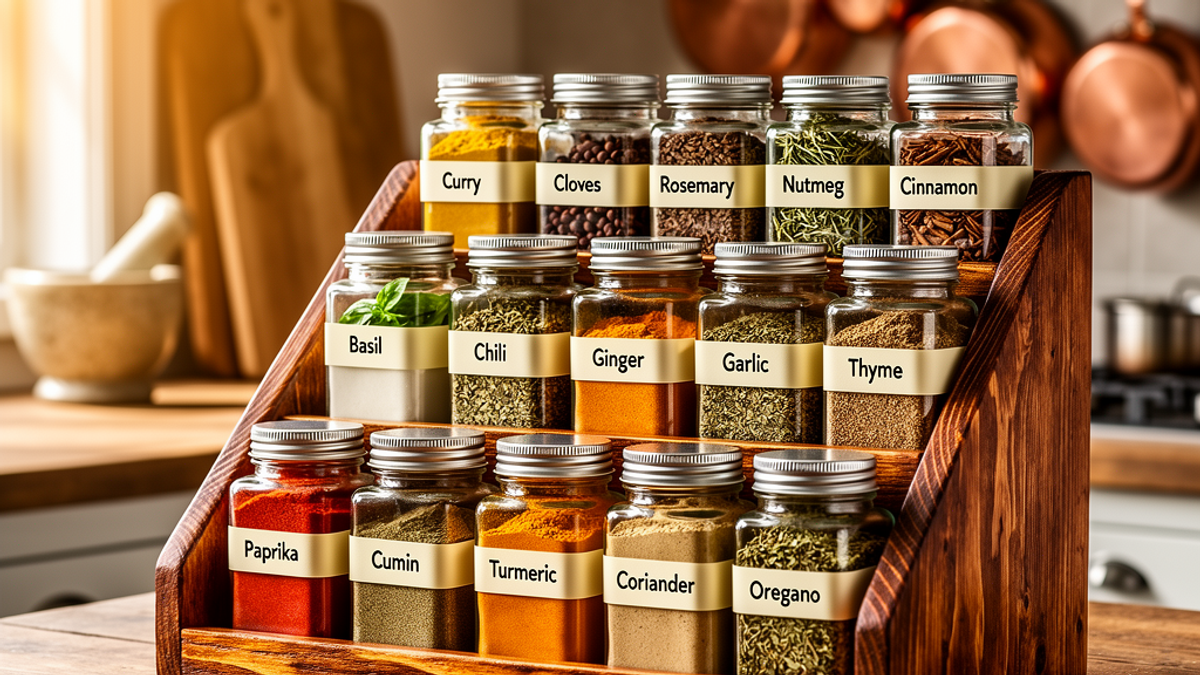
At Onyx Sound Lab, we talk a lot about frequency, vibration, and holistic wellness. But wellness isn't just about what you listen to—it's about how you nourish your body. Cooking at home is one of the most grounding, sensory-rich practices you can do. The rhythmic thud of a knife on a cutting board, the satisfying sizzle of onions hitting a hot pan, and the rich, warm aroma of toasted spices filling your kitchen—it’s a daily meditation that feeds both your body and your bank account.
But let's be real: cooking at home can quickly become frustrating when your food tastes bland, or when a recipe calls for a quarter-teaspoon of some obscure spice you'll never use again. You look at your disorganized spice cabinet, get overwhelmed, and before you know it, you're opening DoorDash and dropping $35 on a Tuesday night burrito bowl.
We need to fix that. You don't need 50 different little glass bottles cluttering up your kitchen. You just need the right fundamentals. By applying the 80/20 rule to your kitchen, you'll find that a core rotation of just 15 spices will cover roughly 90% of the recipes you actually want to cook.
Here is your ultimate Spice Rack 101 guide—what to buy, where to get it without getting ripped off, how to store it, and how to mix your own blends.
The Great Spice Markup: Where to Buy (and Where Not To)
Let’s start with the most important rule of building a spice rack: Stop buying your spices in the baking aisle of Target or Walmart.
Those tiny, aesthetically pleasing 2-ounce glass jars from major brands like McCormick are a massive rip-off. You are paying for the glass, the marketing, and the prime supermarket real estate. A standard jar of ground cumin at a big-box grocery store will easily set you back $6 to $8.
Instead, you need to drive a few miles down the road to your local ethnic grocery stores. Asian markets, Indian grocers (like Patel Brothers), and Mexican supermercados are the holy grail of cheap, high-quality spices.
In a Mexican market, look for the cellophane bags of spices hanging on pegs (often under the brand Badia or a local distributor). That same amount of cumin that costs $7 at Target will cost you exactly $1.49 in a bag. At an Indian market, you can buy a massive half-pound bag of turmeric for $4, saving you literally dozens of dollars over the year.
For the heavy hitters—things you use by the handful, like garlic powder, onion powder, and whole black peppercorns—get a membership to Costco or Sam's Club. You can buy a 20-ounce container of high-quality granulated garlic for about $6.99. If you bought that same volume in tiny supermarket jars, you'd spend over $40. Put that savings back in your pocket (or Venmo it to your savings account).
How to Store Your Spices So They Actually Last
Spices don't technically "go bad" in the sense that they will make you sick, but they absolutely lose their potency, flavor, and frequency. Using five-year-old dried basil is like trying to season your pasta sauce with dusty lawn clippings.
Here are the golden rules of spice storage:
Keep them away from heat and moisture. Do not store your spices in the cabinet directly above your stove. When you boil water for pasta, the 212°F steam rises straight into that cabinet, seeps into your spice jars, and turns your garlic powder into a rock-solid brick. The heat from your oven also degrades the essential oils in the spices.
Keep them in the dark. Light bleaches spices and destroys their flavor. A cool, dark pantry or a dedicated drawer away from the oven is perfect.
Buy cheap, uniform jars. Since you're buying spices in cheap cellophane bags from the ethnic market, you need something to put them in. Go on Amazon or hit up Home Depot and buy a pack of 4-ounce Mason jars or uniform glass spice jars with blank labels. It costs about $20 for a set of 24. Pour your cheap bagged spices into these jars, label the tops, and suddenly your kitchen looks like a million bucks.
The 15 Essential Spices
If you have these 15 items in your pantry, you can cook almost anything—from a hearty American chili to an Indian curry, a Mexican fajita skillet, or a classic Italian pasta dish.
1. Kosher Salt
Let's get this out of the way: ditch the iodized table salt with the little girl under the umbrella. It tastes metallic and is too easy to over-salt with. You need Kosher salt—specifically Diamond Crystal or Morton. Its larger, flaky crystal structure makes it easy to grab with your fingers and season your food evenly. It is the foundation of all flavor.
2. Whole Black Peppercorns
Pre-ground black pepper tastes like sawdust. The volatile oils in pepper disappear almost immediately after grinding. Buy a cheap pepper grinder and fill it with whole black peppercorns. The sharp, floral heat of freshly cracked pepper will change your life.
3. Garlic Powder
Fresh garlic is amazing, but garlic powder provides a sweet, roasted, savory background note that fresh garlic just can't replicate. It is the backbone of American home cooking. Buy it in bulk.
4. Onion Powder
Like its cousin garlic powder, onion powder adds a deep, savory umami flavor to everything. It is essential for dry rubs, soups, and marinades.
5. Smoked Paprika
Regular sweet paprika is mostly just used to make deviled eggs look pretty. Smoked paprika is a powerhouse. Dried over oak fires, it adds a rich, smoky, bacon-like depth to roasted potatoes, chicken, and vegetarian dishes.
6. Ground Cumin
Earthy, warm, and slightly citrusy. Cumin is the dominant flavor in taco seasonings, chilis, and many Indian and Middle Eastern dishes.
7. Chili Powder
In the US, "chili powder" is actually a blend of ground chilies, oregano, cumin, and garlic. It’s your one-stop shop for making a killer pot of Sunday football chili or quick weeknight fajitas.
8. Cayenne Pepper
This is your heat dial. Cayenne is pure, neutral spice. Want your soup a little spicier? Add a tiny dash. Want to clear your sinuses? Add a heavy pinch. Treat it with respect.
9. Ground Cinnamon
It’s not just for oatmeal and snickerdoodles. A tiny pinch of cinnamon in a savory beef stew, a pot of chili, or a chicken shawarma marinade adds a background warmth that will make people ask, "What is that amazing flavor?"
10. Dried Oregano
Bold, earthy, and slightly bitter. You need this for anything tomato-based. It's the defining flavor of a New York slice of pizza and essential for Greek vinaigrettes.
11. Dried Thyme
Thyme has a subtle, floral, woodsy flavor. It is the absolute best friend of roasted chicken, Thanksgiving turkey, and roasted potatoes.
12. Dried Basil
While fresh basil is always preferred, dried basil brings a sweet, minty, peppery flavor that is mandatory for simmering marinara sauces and minestrone soups.
13. Ground Coriander
Coriander is the seed of the cilantro plant, but it tastes nothing like the soapy leaves. It is bright, lemony, and floral. It pairs perfectly with cumin to lighten up heavy, savory dishes.
14. Turmeric
Famous in the wellness space for its anti-inflammatory properties, turmeric has an earthy, slightly mustard-like flavor. It gives curries and rice dishes a beautiful, vibrant golden color.
15. Crushed Red Pepper Flakes
We all know these from the little packets at the pizza parlor. They offer a slower, more textured heat than cayenne pepper. Sizzle a pinch in olive oil before adding your garlic for a pasta sauce, and you'll extract incredible flavor.
Stop Buying Packaged Blends: DIY Your Own
Now that you have the 15 essentials, you never need to buy a $2.50 packet of seasoning mix again. Those store-bought packets are usually 50% cheap salt and anti-caking chemicals anyway. By making them yourself, you control the sodium and the flavor, saving about $2 to $3 per meal.
Here are three essential blends you can make right now using your new spice rack:
The Ultimate Taco Seasoning
Mix this up and keep it in a small jar. Use 2 tablespoons per pound of ground beef or turkey.
- 1 tbsp Chili Powder
- 1 tsp Ground Cumin
- 1 tsp Garlic Powder
- 1 tsp Onion Powder
- 1/2 tsp Smoked Paprika
- 1/2 tsp Dried Oregano
- 1/4 tsp Cayenne (adjust for heat)
- 1 tsp Kosher Salt & 1/2 tsp Black Pepper
Classic Italian Seasoning
Perfect for shaking over pizza, mixing into meatballs, or whisking into olive oil and vinegar for a quick salad dressing.
- 1 tbsp Dried Oregano
- 1 tbsp Dried Basil
- 1 tbsp Dried Thyme
- 1 tsp Garlic Powder
- 1/2 tsp Crushed Red Pepper Flakes
Cajun Blackening Spice
Rub this generously on chicken breasts, shrimp, or salmon before searing in a hot skillet.
- 1 tbsp Smoked Paprika
- 1 tsp Garlic Powder
- 1 tsp Onion Powder
- 1 tsp Dried Thyme
- 1 tsp Dried Oregano
- 1/2 tsp Cayenne Pepper
- 1 tsp Kosher Salt & 1 tsp Black Pepper
Your Actionable Takeaway
Reading about spices won't make your dinner taste better. You need to take action. Here is your step-by-step game plan for this weekend:
- The Purge: Open your spice cabinet today. Take every single jar out and put it on your counter. If a spice doesn't smell like anything when you open it, or if it expired during the last presidential administration, throw it in the trash.
- The Audit: Look at what's left. Compare it to the list of 15 essentials above. Write down exactly what you are missing.
- The Haul: Open Google Maps and search for a local Asian, Indian, or Hispanic grocery store in your town. Take your list, grab a $20 bill, and go buy your missing spices in cheap cellophane bags. If you need garlic powder or black peppercorns, hit Costco.
- The Mix: Transfer your new spices into uniform, airtight jars. Keep them away from the stove. Mix up a batch of the DIY Taco Seasoning, buy a pound of ground meat, and cook yourself a meal that actually tastes like something.
Cooking healthy, vibrant meals shouldn't require a culinary degree or a massive budget. By stripping your pantry down to these 15 high-frequency, high-flavor essentials, you’ll save money, reduce kitchen clutter, and finally start enjoying the mindful practice of cooking at home.

SunMaster USA
Editorial Team
The SunMaster USA team finds, tests, and shares the smartest lifehacks, money moves, and home improvement tips that make everyday life easier for American families.