The $50 Emergency Kit Every American Household Needs
Don't wait for the next storm to panic-buy. Learn how to build a life-saving, stress-reducing emergency kit for under $50 with a quick trip to your local store. Peace of mind is cheaper than you think.

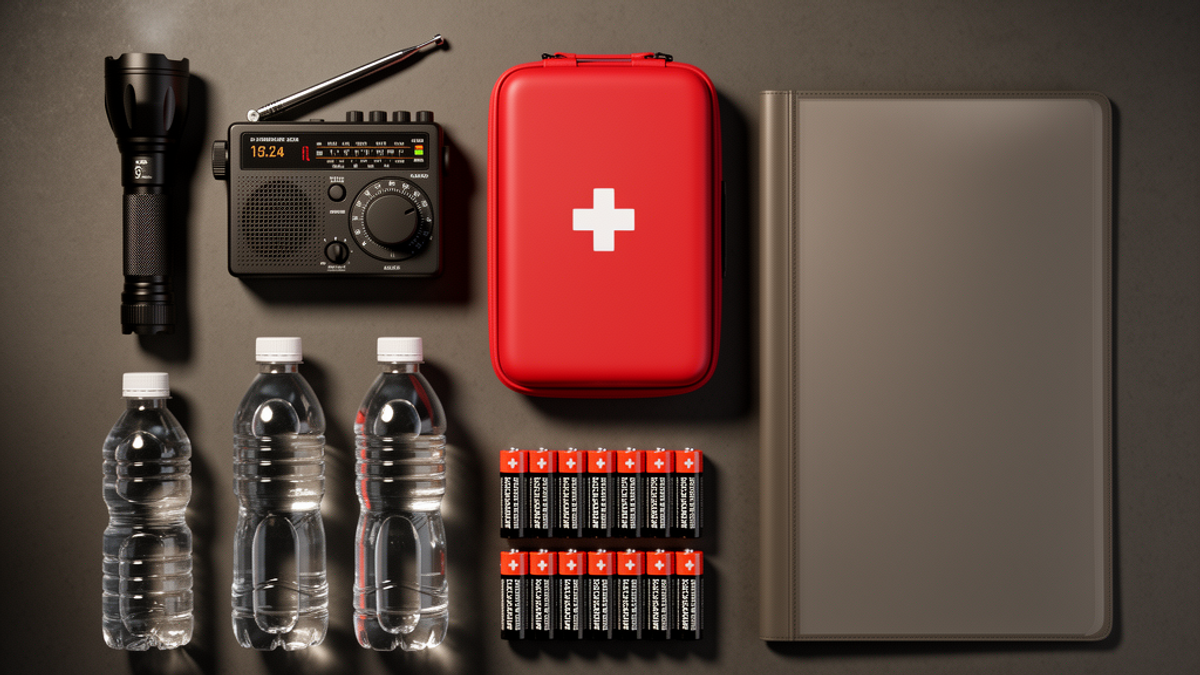
The Illusion of Convenience in Modern America
Let's be real for a second. We live in an era of unprecedented, almost absurd convenience here in the US. If you want a lukewarm burrito at 11 PM, DoorDash has your back. If you owe your buddy for last night's pizza, you just hit them up on Venmo or Zelle. Need a highly specific, obscure battery for your TV remote? Amazon Prime will have it on your porch before you even wake up tomorrow. We are incredibly conditioned to expect everything to work, instantly, all the time.
But what happens when the grid goes down?
Whether it's a massive hurricane battering the Florida coast, a freak blizzard shutting down the Midwest, wildfires raging out West, or just a random summer thunderstorm in Ohio that knocks out a transformer, the reality of American weather is unpredictable. And when the power goes out, all that modern convenience vanishes in an instant. Your Wi-Fi is dead, the fridge stops humming, and suddenly, the temperature in your living room is dropping to a crisp 40 degrees Fahrenheit.
This is usually the moment when panic sets in. People rush to the grocery store, fighting over the last dented can of soup and paying ridiculous surge prices for bottled water. But you don't have to be that person. You don't need to be a doomsday prepper with a bunker full of tactical gear to survive a power outage. You just need a little bit of foresight, a quick trip to the store, and a single $50 bill.
Why $50? The Anti-Doomsday Approach
When we talk about emergency preparedness, a lot of people immediately picture expensive, freeze-dried survival food and $1,000 gas generators. It's easy to get overwhelmed and think, "Well, I can't afford a whole survival setup, so I just won't do anything."
That's a massive mistake. You aren't preparing for the zombie apocalypse; you are preparing to be mildly uncomfortable but entirely safe for 72 hours. The Federal Emergency Management Agency (FEMA) recommends having enough basic supplies to sustain yourself for three days. Why three days? Because in the vast majority of American natural disasters, power is restored or emergency services are able to reach you within 72 hours.
Building a 72-hour kit doesn't require a second mortgage. In fact, you can build a highly effective, life-saving emergency kit for around $50. By skipping the specialty "survival" stores and hitting up your local big-box retailers, you can hack your way to complete preparedness.
Let's break down exactly how to spend that $50.
The $50 Shopping List: Your Blueprint for Survival
Here is your step-by-step, dollar-for-dollar guide to building an emergency kit this weekend.
1. Hydration: The Absolute Non-Negotiable ($5)
Water is life. You can go a shockingly long time without a hot meal, but you cannot survive without water. If the power goes out, water treatment facilities can fail, or your pipes might freeze.
The rule of thumb is one gallon of water per person, per day. For a 72-hour kit for one person, that's three gallons.
The Hack: Do not buy fancy alkaline water or expensive camping pouches. Head over to Costco or Sam's Club. You can grab a massive 40-pack of Kirkland Signature bottled water for about $4.99. If you don't have a warehouse membership, a standard 24-pack of store-brand water at Walmart or Target will cost you around $3.50. Stash these bottles under your bed or in the back of a closet.
2. Illumination: Ditch the Candles ($10)
When the lights go out, your first instinct is probably to light a bunch of candles. Don't do it. Candles are a massive fire hazard, especially if you have kids or pets running around in the dark. Your second instinct might be to use the flashlight app on your phone. Also a bad idea—you need to conserve your phone battery for emergency communication, not for finding your way to the bathroom.
The Hack: Go to Home Depot or Lowe's and look for a multi-pack of LED headlamps. They usually have a 3-pack of basic Defiant or Energizer headlamps near the checkout aisle for about $10. Headlamps are infinitely better than handheld flashlights because they keep your hands free to carry supplies, hold a child's hand, or wrangle a nervous dog. Make sure they come with batteries, or snag a cheap pack of AAAs while you're there.
3. Nutrition: High-Calorie, Low-Effort ($10)
During a power outage, your microwave is a useless plastic box, and your electric stove is a very expensive paperweight. You need food that requires zero cooking, zero hot water, and zero refrigeration.
The Hack: Hit the grocery aisles at Target and look for their Good & Gather brand, or grab Great Value at Walmart. You want high-calorie, shelf-stable items.
- 1 Jar of Peanut Butter ($2.50) - Packed with protein and fat.
- 2 Boxes of Granola Bars or Protein Bars ($5.00) - Easy to eat in the dark.
- 2 Cans of Tuna or Chicken ($2.50) - Make sure you buy the ones with a pull-tab lid! If you buy cans that require a can opener and you don't have a manual one, you're going to be very frustrated.
Total cost? About $10. It won't be a gourmet meal, but it will keep your energy up and your stomach full.
4. First Aid: The Boo-Boo Box ($10)
Emergencies are chaotic. You are walking around in the dark, moving heavy things, and dealing with debris. Scrapes, cuts, and headaches are incredibly common. You don't need a paramedic-level trauma bag, but you do need the basics to prevent a small cut from getting infected.
The Hack: Don't buy the pre-made, brand-name first aid kits that cost $30 and are mostly filled with useless safety pins. Build your own using store brands (like Walmart's Equate).
- A box of assorted bandages ($2.00)
- A tube of generic antibiotic ointment ($3.00)
- A bottle of generic Ibuprofen or Acetaminophen ($2.00)
- A pack of wet wipes for basic hygiene ($3.00)
For $10, you have everything you need to handle 95% of minor household injuries.
5. Communication: The Outside World ($15)
When a severe storm hits, cell towers often get overloaded or lose power entirely. Your smartphone might become a useless brick. You need a way to receive weather updates, evacuation notices, and news from local authorities.
The Hack: Invest in a basic, hand-crank NOAA weather radio. You can find these on Amazon or at local sporting goods stores for about $15 to $20. The beauty of a hand-crank radio is that you don't have to worry about the batteries dying in storage. A few minutes of cranking gives you enough power to listen to emergency broadcasts. Many of them even have a built-in USB port, allowing you to give your dead smartphone a tiny bit of juice—just enough to send an "I'm safe" text to your mom.
The "Zero Dollar" Add-Ins That Save Lives
Now that you've spent your $50, it's time to add the crucial items that cost absolutely nothing to put together but are worth their weight in gold during a crisis.
Cold Hard Cash
Remember earlier when we talked about Venmo and Zelle? Those rely on the internet. Credit card machines at gas stations and grocery stores also rely on the internet. If the power is out across a 50-mile radius, plastic is useless.
Go to the ATM and withdraw $50 to $100 in small bills ($1, $5, and $10 bills). If you need to buy a bag of ice or a gallon of gas from a neighbor, nobody is going to have change for a $100 bill. Keep this cash tucked inside your emergency kit. (Yes, this technically requires having cash, but it's not an "expense"—it's just moving your money from the bank to your closet).
The Document Dump
If you have to evacuate quickly, you might not have time to dig through your filing cabinet. Take 15 minutes this weekend to take photos of your crucial documents: your driver's license, passport, health insurance cards, and the deed or lease to your home. Email them to yourself, but also print out physical copies. Put those physical copies in a waterproof Ziploc bag and toss it in your kit.
An Actual Emergency Plan
When the cell towers are down, you can't just text your spouse to figure out where to meet. Sit down over coffee and make a plan. If a fire breaks out, where do you meet outside the house? If a hurricane forces an evacuation, which relative's house 100 miles away is your designated rendezvous point? Having a plan costs zero dollars but saves infinite panic.
Don't Forget the Furry Family Members
If you have a dog or a cat, your $50 kit needs a slight adjustment. Pets get incredibly stressed during severe weather. Make sure you set aside an extra gallon of water specifically for them. Take a ziploc bag and fill it with three days' worth of dry kibble. Finally, throw an extra leash and collar into your kit. If a storm blows out a window or knocks down a fence, a spooked dog will bolt. Having a backup leash ready to go is a lifesaver.
What NOT to Put in Your Emergency Kit
Sometimes, knowing what to leave out is just as important as knowing what to pack.
- Salty Snacks: Avoid chips, pretzels, and heavily salted nuts. They will make you thirsty, causing you to burn through your precious water supply much faster.
- Complex Gadgets: If you bought a fancy water filtration system but have no idea how to use it, it's useless. Stick to bottled water.
- Heavy Canned Goods You Hate: Don't buy canned beets if you hate beets. Emergency situations are stressful enough without forcing yourself to eat food you despise. Buy shelf-stable food you actually enjoy eating.
The Hidden Wellness Benefit: Peace of Mind
At Onyx Sound Lab, we talk a lot about frequencies, stress reduction, and mental wellness. You might be wondering what an emergency kit has to do with sound wellness.
The answer is: everything.
True wellness requires a foundation of safety. When you are constantly operating with a baseline level of subconscious anxiety—worrying about what might happen if the power grid fails or a storm hits—your cortisol levels remain elevated. Your nervous system is in a constant, low-grade state of "fight or flight."
Taking one hour on a Saturday to build a $50 emergency kit is one of the most effective anxiety-reduction techniques in the world. When you know that you have water, food, light, and a plan, your brain can finally relax. You aren't living in fear of the unknown anymore; you are prepared for it. That peace of mind is the ultimate healing frequency. You can't effectively meditate, relax, or focus on your mental health if you are terrified of the next weather report.
Your Actionable Takeaway for This Weekend
Reading about preparedness does nothing; taking action does everything. Here is your specific homework for this weekend:
- The Scavenger Hunt: Spend 15 minutes looking around your house. You probably already have a jar of peanut butter, some Ziploc bags, and a few band-aids. Gather them in one spot.
- The Target/Walmart Run: Take a $50 bill and go to the store. Buy the missing items: the water, the headlamps, the hand-crank radio, and the extra food.
- The Assembly: Put it all in a single backpack or a clear plastic storage bin. Shove it under your bed or in the bottom of your coat closet.
For the cost of a mediocre dinner for two at a chain restaurant, you can guarantee your family's safety and secure your own peace of mind. Stop waiting for the storm clouds to gather. Go get your kit together today.

SunMaster USA
Editorial Team
The SunMaster USA team finds, tests, and shares the smartest lifehacks, money moves, and home improvement tips that make everyday life easier for American families.