The Beginner's Guide to Cast Iron: Buy Once, Cook Forever
Tired of replacing scratched non-stick pans? Discover how a $25 cast iron skillet can transform your cooking, save you hundreds, and last generations. We're debunking the myths and giving you the ultimate daily guide to cast iron.

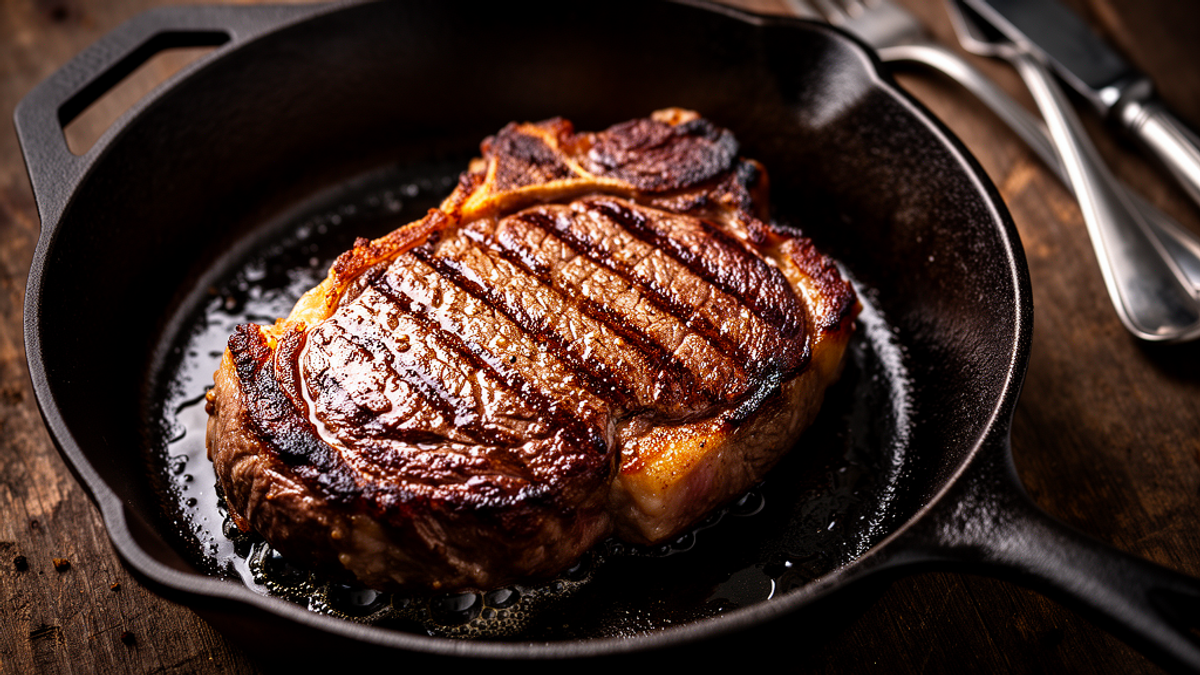
Let's be real for a second: take a look in your kitchen cabinets right now. Chances are, you've got a graveyard of scratched, peeling, warped non-stick pans. You know the ones. You bought them at Target or maybe splurged on a $200 designer brand, promising yourself you'd take perfect care of them. But two years later, the Teflon is flaking off into your scrambled eggs, and everything sticks to the center.
It's a frustrating, expensive cycle. But there's a cheat code to kitchen gear that your grandparents knew all about, and it's time we bring it back. Enter the cast iron skillet.
At Onyx Sound Lab, we talk a lot about grounding yourself, finding rhythms that promote wellness, and stepping away from the disposable culture of modern life. Believe it or not, cooking with cast iron fits perfectly into that lifestyle. It's an analog, tactile, deeply satisfying tool that requires a little bit of mindfulness, but rewards you with a lifetime of incredible meals.
Let's break down exactly why you need to ditch the modern non-stick pans, how to treat cast iron right, and why a heavy hunk of metal might just be the best $25 you'll ever spend.
The Economics of Cast Iron: Why You Only Need to Buy It Once
Let's do the math, because the financial upside of cast iron is staggering.
A decent non-stick pan costs anywhere from $50 to $200. No matter how well you treat it, the chemical coating will eventually degrade. Best case scenario, you're replacing that pan every three years. Over a 15-year period, you're dropping anywhere from $250 to $1,000 just to keep a functional skillet in your house.
Meanwhile, a classic 10.25-inch or 12-inch Lodge cast iron skillet at Walmart or Costco costs about $25.
That's it. Twenty-five dollars for a pan that will literally outlive you. Pioneers dragged these exact types of pans thousands of miles across the country in covered wagons. They survived campfires, the elements, and daily use. You are not going to break it by making pancakes on a Tuesday morning.
By making this one switch, you're saving hundreds of dollars. That's money you could be spending on premium groceries, a weekend getaway, or just keeping in your pocket instead of Zelle-ing your roommate for your half of the utility bill.
What Even Is "Seasoning"?
If there's one word that scares people away from cast iron, it's "seasoning." People talk about it like it's a mystical, fragile aura that will vanish if you look at the pan wrong.
Let's demystify it. Seasoning is just baked-on oil.
When you heat certain fats to a high temperature, they undergo a chemical process called polymerization. The liquid oil transforms into a slick, hard, plastic-like shell that bonds directly to the iron. That's it. It's a natural, chemical-free non-stick coating. The more you cook with fats—like frying bacon, searing steaks, or baking cornbread—the thicker and better that layer gets.
The First Date: Prepping Your New Pan
Most modern cast iron pans, like the ones you grab off the shelf at Target, come "pre-seasoned." That means the factory gave it a quick spray of oil and baked it so it wouldn't rust on the shelf. It's a good start, but if you want that glossy, slide-around-the-pan non-stick magic, you need to put in a little work on day one.
Here is your actionable, foolproof guide to your first seasoning session:
Step 1: The Initial Wash
Take your brand new pan and wash it in the sink with warm water and dish soap. Yes, soap! We'll talk about the soap myth later, but for now, scrub off any factory dust.
Step 2: Bone Dry
Dry the pan completely with a paper towel. Then, put it on your stove over medium heat for about 3 minutes. Iron is porous, and heating it ensures that every microscopic drop of water evaporates.
Step 3: The Oil Rub
Once the pan is warm (but safe to handle), rub a very thin layer of cooking oil all over it. Inside, outside, the handle, the bottom. Everything. Use an oil with a high smoke point. Standard canola oil, vegetable oil, or Crisco shortening works perfectly. Do not use extra virgin olive oil—it will burn and turn sticky.
Step 4: Wipe It Off
This is the most important step. Take a clean paper towel and wipe all the oil off. Wipe it like you made a terrible mistake and want to remove every trace of it. The pan should look dry, not greasy. If you leave too much oil, it will turn into sticky, gummy puddles in the oven.
Step 5: Bake It
Preheat your oven to 450°F. Place the skillet upside down on the middle rack (put a sheet of foil on the bottom rack to catch any stray drips). Leave it in there for one hour. Turn the oven off and let the pan cool down completely inside the oven.
Congratulations, you just laid down a bulletproof layer of seasoning.
Daily Cooking: How to Actually Use It
Cooking with cast iron requires a slight shift in your kitchen habits. If you treat it exactly like a thin aluminum non-stick pan, you're going to end up frustrated, scraping burnt eggs off the bottom, and opening the DoorDash app in defeat.
Here are the golden rules for daily cooking:
Preheat, Preheat, Preheat
Cast iron is thick and heavy. It takes time to absorb heat, but once it gets hot, it stays hot. Never drop cold food into a cold cast iron pan. Put your skillet on the stove over medium-low heat for about 5 to 8 minutes before you start cooking. Hover your hand a few inches above the surface—when you can feel radiant heat, you're ready to go.
Fat is Your Friend
Even a well-seasoned pan needs a little lubrication. Add a pat of butter, a splash of oil, or some bacon grease right before your food goes in.
Be Patient with the Flip
If you're searing a chicken breast or a steak, put it in the pan and leave it alone. Cast iron holds onto food until a crust forms. If you try to flip a steak and it feels stuck, it's not ready. Wait another 60 seconds. When the crust is perfectly caramelized, it will naturally release from the metal.
Busting the Biggest Cast Iron Myths
There is so much terrible advice on the internet about cast iron. Let's clear the air so you can cook with confidence.
Myth 1: You Can Never Use Soap
This is the biggest lie in the culinary world. Back in the 1920s, dish soap was made with harsh lye, which would literally eat the seasoning off a pan. Today, the blue Dawn dish soap you buy in bulk at Costco is incredibly gentle. It removes grease, not polymerized oil. Please wash your pan with soap and water after you cook a pungent salmon filet. Your pan will be fine, and your next batch of pancakes won't taste like fish.
Myth 2: Metal Utensils Will Ruin the Pan
People are terrified of scratching their seasoning. But ironically, using a flat metal spatula is one of the best things you can do for your skillet. As you scrape the bottom of the pan while cooking, you're actually knocking down microscopic high spots in the iron and leveling out the seasoning. Over the years, regular use of a metal spatula will make the surface as smooth as glass.
Myth 3: It's Too Much Work
People think cast iron requires a 30-minute spa treatment after every meal. It doesn't. Once you get the hang of it, cleaning takes exactly three minutes.
The Daily Cleanup Routine
Want to know the secret to a pan that lasts 100 years? Here is your daily, three-minute cleanup routine. Do this every time you cook, and your pan will never fail you.
- Wash: While the pan is still slightly warm, take it to the sink. Use warm water, a squirt of dish soap, and a sponge or a chainmail scrubber (you can grab a cheap one at Home Depot or online). Scrub away the food bits.
- Dry on the Stove: Towel dry the pan, then place it on the stove over medium heat for 2-3 minutes to evaporate all leftover moisture. (Water is the enemy; water causes rust).
- Mini-Season: While the pan is hot on the stove, drop exactly one drop of oil into the center. Take a paper towel and rub that oil over the entire cooking surface until it's barely shiny. Let it heat until you see the very first wisp of smoke, then turn off the burner.
You're done. Your pan is clean, protected, and ready for tomorrow's breakfast.
Troubleshooting: Rust, Sticking, and Thrift Store Rescues
Even if you mess up, cast iron is incredibly forgiving. It is almost impossible to truly ruin a skillet unless you drop it on concrete and crack it.
If your food is sticking: You probably aren't preheating the pan long enough, or you're cooking at too high of a temperature. Cast iron holds heat aggressively. Medium heat on cast iron sears like high heat on a cheap aluminum pan. Dial the burner down and give it time to warm up.
If you see rust: Don't panic. Rust happens if you leave the pan soaking in the sink or put it away wet. Just scrub the rust off with some steel wool, wash it, and run it through the oven seasoning process (Step 5 from earlier) one time. Good as new.
The Thrift Store Rescue: If you find a rusty, gunky, terrifying-looking vintage pan at a garage sale for $5, buy it. You can spray it down entirely with yellow-cap Easy-Off oven cleaner (wear gloves!), tie it up in a trash bag for a couple of days, and wash it off. The lye in the cleaner will strip decades of baked-on grime, leaving you with bare, silver iron. Season it from scratch, and you've just rescued a piece of culinary history.
Your Actionable Takeaway
Cooking with cast iron isn't just about making a better steak—though it will absolutely give you a steakhouse-quality sear that will have your friends Venmo-ing you to host dinner every weekend. It's about investing in tools that last. It's about stepping away from disposable consumerism and taking a few mindful minutes each day to care for something that provides for you.
Here is what you need to do today:
- Go to your kitchen and throw away any non-stick pan that has visible scratches or peeling Teflon. It's toxic, it's ruining your food, and it's time to let it go.
- Head to your local big-box store and spend $25 on a 10.25-inch cast iron skillet.
- Bring it home, give it that first layer of oven seasoning, and fry up some bacon or a smashburger this weekend.
Treat it right, and you'll never need to shop for a skillet again. Buy once, cook forever.

SunMaster USA
Editorial Team
The SunMaster USA team finds, tests, and shares the smartest lifehacks, money moves, and home improvement tips that make everyday life easier for American families.